Beat Apathy: Your Guide to Menopause Mood Swings, Lack of Energy, Depression & Anxiety Attacks

It’s not unusual to feel like you’re losing some of your emotional stability and energy during perimenopause. Many women experience tearfulness, mood swings, anxiety, and a loss of energy throughout the menopause transition and for up to two years postmenopause. Additionally, anxiety night sweats, and menopausal anxiety can leave women feeling overwhelmed, out of control, or even numb. Despite these challenges, this can be an opportunity for positive transformation and growth. Read on to discover how to address hot flashes and anxiety, beat apathy, and live a vibrant life during this transition.
Mood Changes, Lack of Energy & Menopause
Midlife often introduces unique pressures that can affect emotional well-being. Many women navigate demanding careers, care for aging parents, and raise children, all while managing menopausal symptoms. These challenges, combined with societal expectations around youth, can influence self-esteem, body image, and self-concept.
Impact of Menopause on Emotional & Physical Well-being
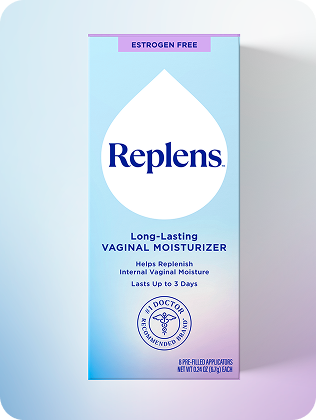
Menopause doesn’t just affect mood—it also brings physical changes that can impact confidence and comfort. Fluctuating hormone levels contribute to emotional shifts, while symptoms like vaginal dryness can make everyday activities uncomfortable. That’s where Replens Long-Lasting Vaginal Moisturizer comes in. Unlike short-term solutions, Replens provides long-lasting hydration, helping to replenish moisture and relieve discomfort for up to 3 days at a time. By addressing both physical and emotional changes, you can navigate this phase with greater confidence and ease.
Can Perimenopause Cause Depression?
Depression is common during perimenopause, especially for those with a history of mood disorders such as PMS or postpartum depression. Symptoms may include prolonged sadness, hopelessness, and a loss of interest in activities. Anxiety can also emerge, causing excessive worry and physical symptoms like muscle tension or nausea, both of which can disrupt daily life significantly.
Perimenopause mood changes may resemble PMS, with irritability, low energy, tearfulness, or difficulty concentrating. Unlike PMS, however, these symptoms can occur unpredictably and persist for years. Approximately 40% of women experience mood instability during this stage.
The Role of Hormones in Menopausal Mood Swings
Fluctuating and declining ovarian hormone levels are key contributors to perimenopausal mood symptoms. Night sweats, which often disrupt sleep, can lead to fatigue, irritability, and mood swings. Abrupt hormonal changes may intensify these effects. With proper support and lifestyle adjustments, women can navigate these challenges and embrace this phase of life as an opportunity for growth and fulfillment.
Creating Balance for Menopause Moodiness
Recognizing a problem is the first step to finding ways to beat apathy. Emotional health during perimenopause requires a balance between self-nurturing and the obligations of work and caring for others. Many women can identify and describe sources of tension and symptoms of stress, but may still find it difficult to take time for themselves.
Self-Care Strategies to Combat Apathy
Although some stressors are unchangeable, coping skills can empower women to meet life’s challenges with renewed confidence, balance, and harmony. These strategies include:
- Participating in new activities with friends
- Eating three nutritious meals a day
- Exercising daily
- Trying self-care activities such as a massages or pedicures
- Practicing stress reduction techniques like deep breathing and meditation
Getting enough high-quality sleep is also essential. To improve sleep, aim to:
- Go to bed and wake up at the same time every day
- Avoid screens in the hour before bedtime
- Skip caffeine in the afternoon
- Keep your bedroom quiet, cool, and dark
These practices can also alleviate menopausal anxiety and foster a greater sense of well-being.
When More Help is Needed for Perimenopause Depression & Anxiety
For some women, perimenopause anxiety and depression may be severe, requiring more than just simple solutions. Symptoms like prolonged sadness, sleep disturbances, or lack of interest in activities lasting more than two weeks could indicate clinical depression, especially for those with a history of mood disorders. If you experience these symptoms, it’s important to contact a medical professional for guidance and support.
Managing Anxiety & Hot Flashes
Antidepressants, therapy, and relaxation techniques can help address symptoms, as anxiety often coexists with depression during menopause. Hot flashes can trigger anxiety or panic attacks, with symptoms like shortness of breath and dizziness. Consulting a mental health professional can be crucial for managing these challenges and regaining emotional balance.
Managing Menopausal Anxiety: Strategies for Balance and Well-Being
Menopause brings physical and emotional challenges but also offers opportunities for growth. By understanding the connection between emotional well-being and physical changes like vaginal dryness and mood swings, women can take steps to manage symptoms and find balance. Self-care strategies like exercise, sleep, and stress reduction are key, while professional help for severe symptoms can offer relief. Embracing these changes with the right support can help women thrive during perimenopause and beyond.
The information provided is for educational purposes only and is not intended as medical or professional advice. It should not be used as a substitute for consultation with qualified healthcare professionals. Always seek advice from a licensed medical professional or relevant experts before making any health-related decisions.