Inspired & Desired: Navigating Sex During Menopause

Menopause and sex don’t have to be at odds. While this transition can bring changes to your body and libido, it doesn’t mean your sex life is over – it just requires a new approach! Understanding the shifts in your body and making a few adjustments can help you increase your libido and continue enjoying intimacy. Let’s dive into what’s happening and how to keep your sex life satisfying.
How Menopause Affects Your Sex Life
Hormonal shifts can significantly impact female arousal after and during menopause. A drop in estrogen levels can lead to vaginal dryness, thinning tissue, and reduced natural lubrication, making sex less comfortable. On top of that, fluctuating hormones may contribute to fatigue, mood swings, and sleep disturbances, all of which can lower your desire for intimacy.
Beyond biological changes, menopause often coincides with major life transitions—whether it’s children leaving home, caring for aging parents, or navigating a partner’s midlife adjustments. These shifts can bring stress and fatigue, making it harder to prioritize intimacy. Additionally, changes in body image and self-confidence may affect how desirable you feel.
Underlying health issues can also contribute to a decreased sex drive. Conditions that cause pain, fatigue, or limited mobility—such as arthritis—can make physical intimacy challenging. Mental health concerns like anxiety and depression may further dampen desire. Certain medications, including antihistamines (which can dry out vaginal tissue) and antidepressants (which may interfere with arousal), can also impact sexual response,
However, not all women experience a decline in their sex drive. Some find that the emotional freedom and lack of pregnancy concerns allow them to enjoy sex more than ever. The key is understanding your body and making adjustments to support libido during menopause. By addressing discomfort, managing stress, and exploring new ways to connect, you can continue to experience a satisfying and fulfilling sex life.
How to Increase Sex Drive During Menopause
If you’re wondering how to increase your sex drive during menopause, there are plenty of strategies to help boost desire and enhance pleasure. These include:
1. Stay Active and Maintain a Healthy Lifestyle
Regular exercise improves circulation, including to the pelvic region, which can enhance arousal. Strength training, cardio, and pelvic floor exercises (like Kegels) can all support sexual health. Reducing stress through yoga or meditation can also have a positive impact.
2. Address Vaginal Dryness
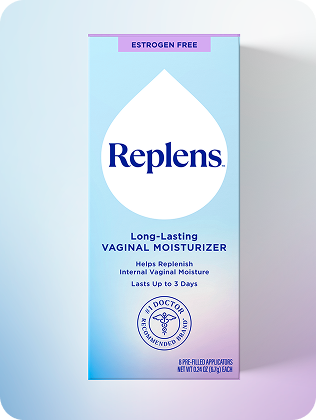
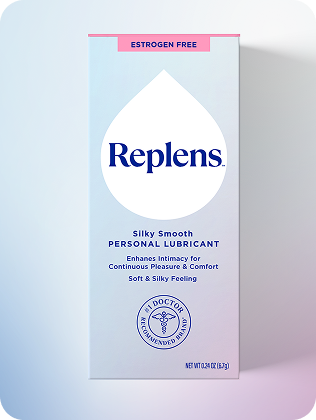
Using a high-quality, vaginal lubricant during sex, like Replens Silky Smooth Silicone-Based Lubricant, can make intimacy more comfortable. Vaginal moisturizers, like Replens Long-Lasting Vaginal Moisturizer, applied a few times a week can also help provide relief. Not sure which one you need? Read our guide to find out whether a moisturizer or lubricant is right for you. talk to your healthcare provider about options like estrogen creams, vaginal rings, or non-hormonal treatments.
3. Prioritize Foreplay & Arousal
Taking more time to become aroused is crucial. Increased stimulation through foreplay, massage, or experimenting with new sensations can help. Exploring sex toys, warming lubricants, and other pleasure-enhancing tools can make a big difference.
4. Communicate with Your Partner
Open discussions about what feels good, any discomfort, and what changes might help can improve intimacy. Consider trying new positions, scheduling intimate moments when you feel most relaxed, or finding alternative ways to connect, such as sensual massage or oral sex.
5. Avoid Lifestyle Habits That Decrease Libido
Smoking and excessive alcohol consumption can reduce blood flow and dampen arousal. Making healthy choices, such as staying hydrated and eating a balanced diet rich in phytoestrogens (found in soy and flaxseeds), can support hormonal balance.
6. Seek Medical Guidance
If sex after menopause feels challenging, consult a healthcare provider. They can discuss treatments such as hormone therapy, prescription medications for low libido, or adjustments to medications that may be affecting your sex drive.
Reigniting Passion: Boosting Libido During Menopause
Menopause doesn’t have to mean the end of an enjoyable sex life. By making adjustments and exploring new ways to experience pleasure, you can maintain intimacy and even discover new levels of sexual satisfaction. Whether it’s prioritizing self-care, communicating openly, or experimenting with different sensations, the key is finding what works for you.
Your body may be changing, but your ability to feel desire and increase libido is still very much in your hands.
The content provided on this page is intended for informational and educational purposes only. It is not a substitute for professional medical advice, diagnosis, or treatment. Always seek the advice of a qualified healthcare provider with any questions you may have regarding a medical condition.