
Symptoms of Menopause: What to Expect & How to Manage Them

Although menopause is a normal phase of life, the symptoms – ranging from hot flashes to mood swings – can be disruptive. These changes are driven by fluctuating hormone levels, and their severity varies from person to person. Some women experience mild discomfort, while others face more intense symptoms that affect their daily lives. Fortunately, there are many ways to manage menopause symptoms, from lifestyle changes to medical treatments.
What Are the Signs & Symptoms of Menopause?
Menopause occurs gradually, often beginning with perimenopause, the transition phase that can last anywhere from 2 to 8 years. During this time, hormone levels fluctuate, leading to various symptoms, including:
- Irregular periods
- Hot flashes & night sweats
- Vaginal dryness & discomfort
- Sleep disturbances
- Mood swings & irritability
- Brain fog & memory issues
- Weight gain & metabolism changes
- Joint and muscle pain
Each woman experiences menopause differently—some have only a few symptoms, while others deal with multiple, persistent challenges.
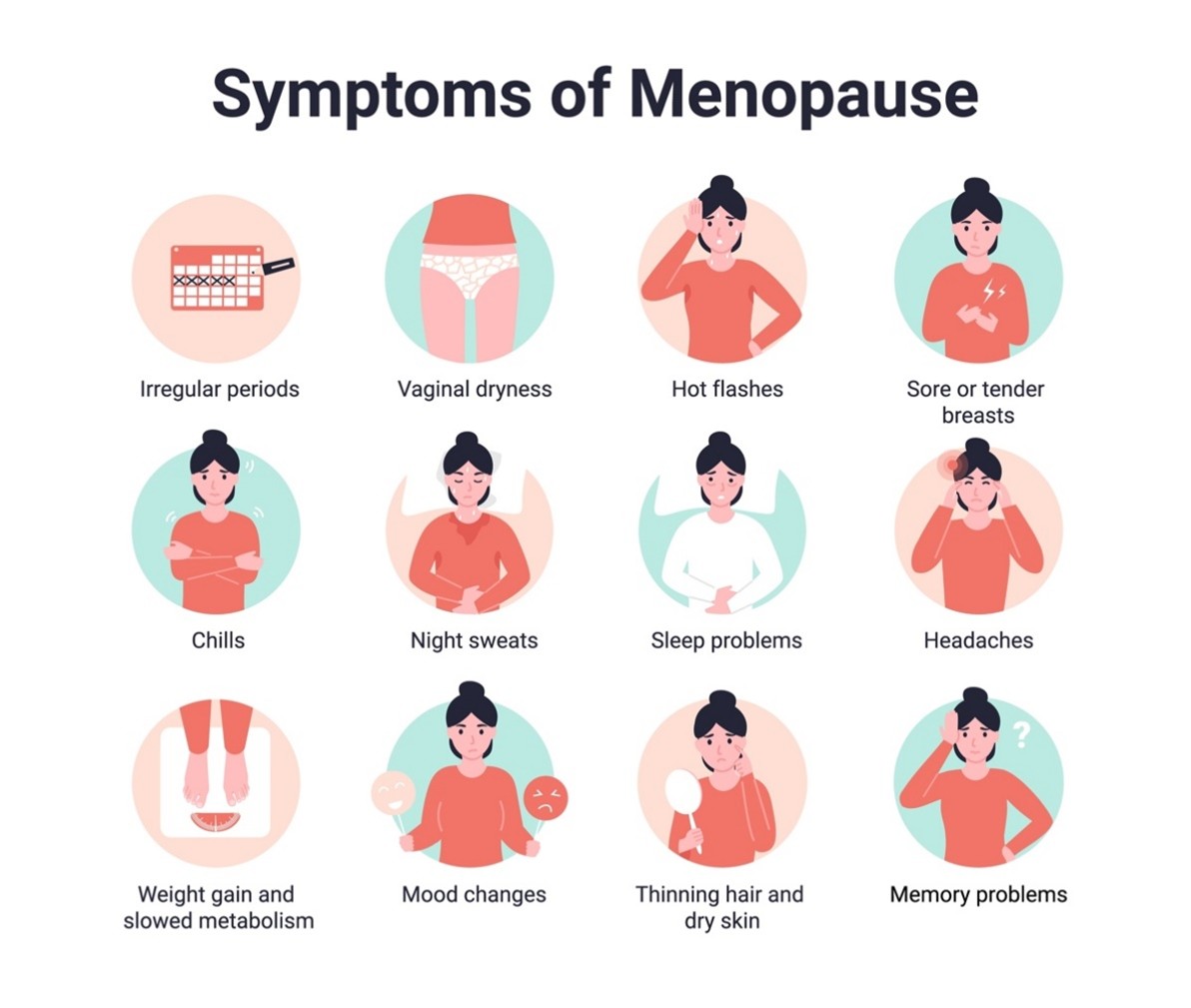
Common Menopause Symptoms Explained
Hot Flashes & Night Sweats
Hot flashes are one of the most common menopause symptoms, affecting about 75% of women. Hot flash symptoms include waves of heat, often accompanied by sweating, dizziness, or heart palpitations. When they occur at night, they are called night sweats, which can disrupt sleep.
Ways to manage hot flashes:
- Dress in layers so you can remove clothing when a hot flash starts
- Avoid spicy foods, alcohol, and caffeine, which may trigger symptoms
- Drink cold water when you feel a hot flash coming on
- Keep your bedroom cool and use breathable bedding
- Practice relaxation techniques like yoga or deep breathing exercises
Vaginal Dryness & Atrophy
Declining estrogen levels can cause the vaginal tissues to become thinner and drier, leading to discomfort during sex.
Ways to help relieve vaginal dryness:
- Use a vaginal moisturizer like Replens Long Lasting Vaginal Moisturizer
- Consider vaginal estrogen therapy if recommended by a doctor.
- Stay hydrated to support overall tissue health.
Sleep Disturbances & Insomnia
Many women experience difficulty sleeping due to hormonal changes, night sweats, or anxiety. Lack of sleep can worsen other menopause symptoms, such as brain fog and irritability.
Ways to improve sleep:
- Establish a consistent bedtime routine
- Limit caffeine and screen time before bed
- Keep the bedroom cool and dark
- Try relaxation exercises or meditation
Mood Changes & Mental Health
Hormonal shifts during menopause can lead to mood swings, anxiety, or even depression. Many women report feeling more irritable, emotional, or overwhelmed.
Ways to manage mood swings:
- Engage in regular physical activity, which boosts endorphins
- Practice stress-reducing techniques like mindfulness or journaling
- Consider therapy or counseling if symptoms become overwhelming
Brain Fog & Memory Issues
Some women experience brain fog—difficulty concentrating, forgetfulness, and trouble recalling words. These cognitive changes are often linked to sleep disturbances and hormonal fluctuations.
Ways to improve focus and memory:
- Get enough sleep to support brain function
- Engage in mental exercises like puzzles or reading
Physical Changes During Menopause
- Weight Gain: Metabolism slows during menopause, leading to weight gain, especially around the abdomen. Regular exercise and a balanced diet can help maintain a healthy weight.
- Hair Changes: Some women notice thinning hair on their scalp, while others may experience increased facial hair due to hormonal shifts.
- Aching Joint & Muscle Pain: Estrogen helps regulate inflammation, so its decline can lead to aches and stiffness. Staying active can help reduce discomfort.
Managing Menopause Symptoms
Lifestyle Adjustments to Improve Symptoms of Menopause
Making small changes to daily habits can significantly improve menopause symptoms:
- Diet: Eat a balanced diet of calcium, vitamin D, and protein to support bone and muscle health.
- Exercise: Regular movement can help with weight management, mood stability, and heart health.
- Stress Management: Engage in activities like yoga, deep breathing, or creative hobbies to reduce stress levels.
Medical Treatments for Menopause Symptoms
For some women, lifestyle changes aren’t enough. Medical treatments include:
- Hormone Therapy (HT): Can relieve hot flashes, vaginal dryness, and other symptoms but should be considered based on individual risk factors.
- Non-Hormonal Treatments: Certain antidepressants and prescription medications can help manage hot flashes and mood swings.
How Long Do Menopause Symptoms Last?
Menopause symptoms can begin years before periods stop and may continue for an average of seven years. Some women experience symptoms for a decade or more, but most find relief after reaching postmenopause.
Managing Menopause & Symptoms: Finding Relief & Balance
Menopause is a natural life stage, but its symptoms can vary widely from person to person. While some women experience only mild discomfort, others face more intense challenges that impact their daily lives. Fortunately, there are many ways to manage menopause symptoms, from lifestyle changes to medical treatments. If symptoms become severe or disruptive, talking to a healthcare provider can help you find the best approach to navigate this transition with comfort and confidence.
The content provided on this page is intended for informational and educational purposes only. It is not a substitute for professional medical advice, diagnosis, or treatment. Always seek the advice of a qualified healthcare provider with any questions you may have regarding a medical condition.